Should I Hire an Event Photographer or DIY it?
After 17 years and roughly 500 events, I've seen both sides of this decision play out in real time. And I'll be honest with you: the answer isn't always "hire a professional." But most of the time, it is.
The Myth of the "Friend with a Camera"
The most common mistake I see event organizers make is believing that a friend who owns a camera is a reasonable substitute for a professional photographer. It isn't. And the gap in quality has nothing to do with the camera itself.
Here's what most people don't realize: indoor, low-light photography is the hardest discipline in the entire craft. I say that having spent nearly two decades shooting everything from outdoor parties to black-tie galas. Balancing the ambient light in a room with the flash on your camera is a technical skill that takes years to develop. It's not intuitive. It's not something you can Google your way through the night of an event.
What happens when someone without that experience brings a camera to your party? The flash fires too hard. Faces get blown out. Anything beyond ten feet is swallowed by darkness. Shots go blurry. And the resulting photos look worse (often significantly worse) than what a modern smartphone would have produced.
I watched this happen to a friend of mine who was just starting out in photography. A nightclub promoter asked if he'd shoot their event. He said yes, went out and bought a flash he’d never used before and gave it his best shot. The photos went up on the club’s Instagram page. Blurry photos. Overexposed faces. Dark backgrounds. Grainy photos. The comments were brutal. It didn't just reflect poorly on him, it made the event promoter look unprofessional. That kind of damage to a brand is hard to walk back.
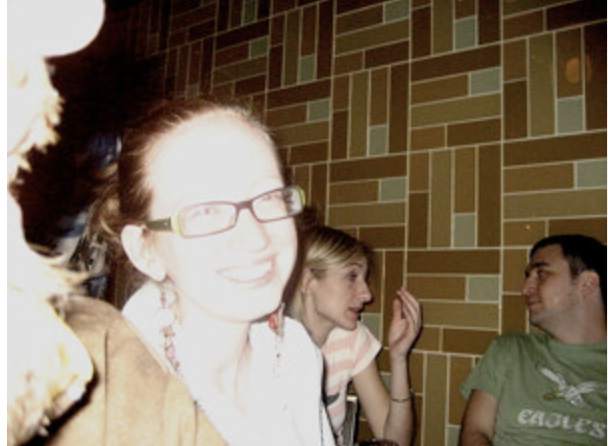
A inexperience photographer may not be able to properly light subjects in low light
What a Professional Actually Brings
A seasoned event photographer isn't just someone who knows their camera settings. They're someone who can shift gears mid-event without missing a beat.
One moment they're capturing a candid laugh between guests. The next, the keynote speaker takes the stage under completely different lighting. A professional reads that shift instantly, adjusting aperture, shutter speed, ISO, and flash output in seconds, delivering a clean, artistic image. An amateur either misses the shot or delivers something technically broken.
That adaptability is what you're paying for. It's not a camera. It's years of problem-solving under pressure.
What else are you paying for? Discreet documentation. A professional is able to move about the room strategically without interrupting the flow of the event. How many parties have you attended where a person with a cell phone is standing in the middle of the action, blocking the guests’ views? A pro has already mapped out the ways they can work the room without ever being seen before the event even starts.
Consistency is another benefit that a pro brings to the table. Instead of receiving a mix of poorly lit shots whose white balance and quality is dramatically different from one photo to the next, a pro will have an entire gallery of color corrected and high resolution photos ready to deliver with a speedy turnaround time.
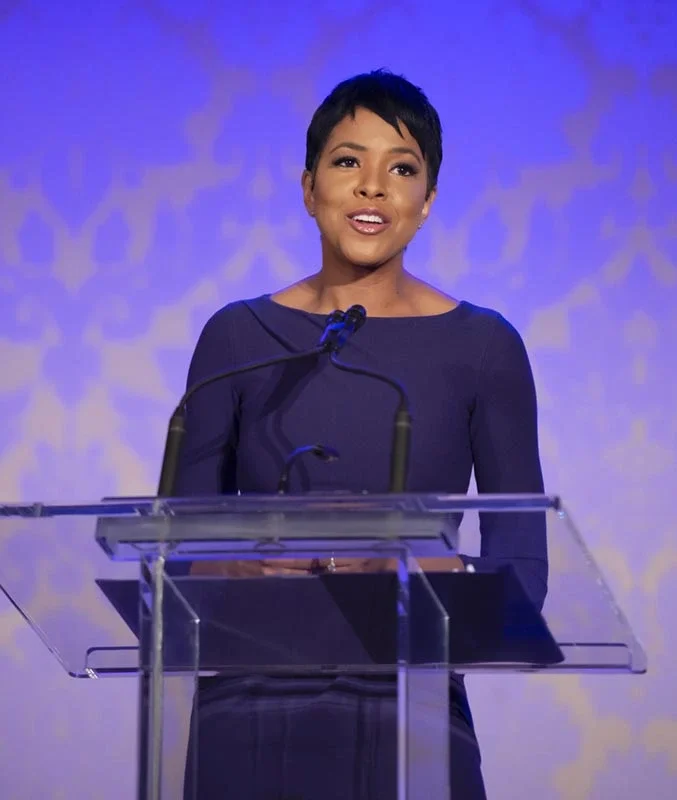
A pro is able to balance indoor lighting to properly showcase a speaker at an event
The Real-World Impact of Getting It Right
One of my clients was organizing an all-women's leadership conference. They hired me to capture the speakers, the networking moments, the group photos, the decor; the full story of the day. The photos were strong. They used them to promote the following year's event, and ticket sales went up.
That's not a coincidence. Quality images tell prospective attendees: this event is worth your time and money. Blurry, flat, poorly lit photos tell them the opposite.
When DIY Actually Works
I promised you honesty, so here it is: there are situations where DIY photography is genuinely fine.
If your event is outdoors, you're not in harsh direct sunlight, and you have one dedicated person whose only job is taking photos, a phone can probably do the work. The key word is dedicated. Someone who is also greeting guests, managing logistics, or enjoying themselves will not give you consistent coverage. But a focused person in good natural light? You can probably get away with it.
What you cannot get away with is asking that same person to shoot your indoor cocktail hour, your dimly lit awards dinner, or your nightclub event. That's where the math stops working.
So, What Should You Do?
Ask yourself a few questions:
Is this event indoors or in low light? If yes, hire a professional. Full stop.
Will these photos be used to market future events, attract sponsors, or represent your brand? Hire a professional.
Is this a small, casual outdoor gathering where documentation is nice but not critical? A capable friend with a good smartphone and clear instructions might be enough.
Professional event photography typically runs $600–$1,200 depending on the scope and duration of your event. (Check out this post I wrote to gage how many hours of event photography you’ll actually need). That's a meaningful investment, but measured against what those images can do for your brand, your future ticket sales, or your sponsor relationships, it's rarely the wrong call.
The photos from your event will outlast the event itself. Make sure they're worth keeping.